






Gordon Brown Reignites Gambling Tax Debate as Labour Faces Split
Published on by Becky M.
Gordon Brown has urged the Labour Party to increase gambling taxes. He believes this could help fund initiatives aimed at reducing child poverty. This proposal highlights the internal divisions within the party and adds pressure on Chancellor Rachel Reeves.
In a recent op-ed for The Guardian, the former Prime Minister and Chancellor called the betting sector “extraordinarily profitable.” He argued that the government should acknowledge this reality. His proposal is to introduce higher gambling taxes. He believes this should be the “first step” in tackling child poverty.
While Brown hasn’t held elected office in over a decade, he’s now advising the Labour government on poverty and gambling reform, two areas that are fast becoming intertwined. His comments come as the Treasury weighs a significant overhaul of how betting and gaming are taxed.
Treasury Proposals Under Review
Rachel Reeves and her team are currently reviewing a merger of three major gambling tax categories:
Remote Gaming Duty (21%)
General Betting Duty (15%)
Pool Betting Duty (15%)
The proposed overhaul would be the most substantial change to gambling taxation in years. Spread betting, which currently sits at 10% for traditional spreads and 3% for financial ones, may also be affected.
Brown Returns to Familiar Ground
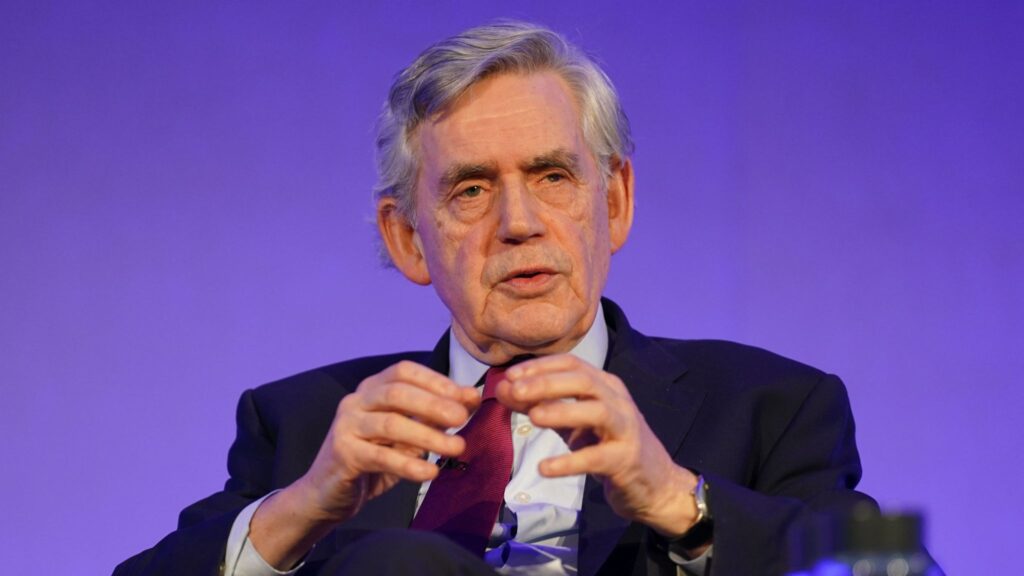
Brown is experienced in gambling reform. As Chancellor in 2001, he eliminated the punter-paid betting tax. He replaced it with a tax on bookmaker profits. This decision contributed to doubling the UK’s betting volume from 2001 to 2005.
He was also Chancellor when the 2005 Gambling Act was passed, laying the foundation for regulated online betting in the UK and establishing the Gambling Commission.
Brown, now in a consulting role, has rejoined the debate with a specific goal. He aims to increase gambling taxes to help fund the removal of benefit caps and the two-child limit, as recommended by the Institute for Public Policy Research (IPPR). The IPPR estimates that this plan would cost £3 billion. Brown believes this cost could be covered by increased gambling revenue.
Pressure Mounts on Reeves
Reeves is facing a £50 billion gap in public finances, and gambling is being considered as a quick solution. As of March 2024, the industry’s gross gaming yield (GGY) stood at £15.6 billion. Organisations such as the Social Market Foundation (SMF) have proposed a flat tax rate of 25% on all gambling products. Brown has cited reports from both the Institute for Public Policy Research (IPPR) and the SMF to support his argument.
While Treasury officials consider potential changes, they have faced swift backlash from the industry. The Betting and Gaming Council (BGC) described Brown’s suggestions as “economically reckless.” They cautioned that these changes could push more gamblers into the black market.
Labour’s Internal Divide
Labour isn’t unified on the issue. The All-Party Parliamentary Group on Gambling Reform (APPG GR) is mainly made up of Labour backbenchers. It is chaired by Conservative MP Iain Duncan Smith. The group is advocating for stricter regulations and higher taxes on gambling.
Not all Labour MPs agree. Recently, Dawn Butler and Richard Baker expressed differing opinions. Their comments highlight the ongoing divisions within the party.
The government has largely kept its promise to complete the Gambling Act Review that started under the Conservatives. They are currently conducting ongoing consultations with the UK Gambling Commission (UKGC) and the Department for Digital, Culture, Media and Sport (DCMS). These discussions focus on issues like financial risk assessments and restrictions on bonuses.
But with child poverty rising and revenue pressures mounting, the Labour government now faces a strategic decision. They either play it safe with a divided party or push ahead with reforms that could reshape the betting industry once again.